

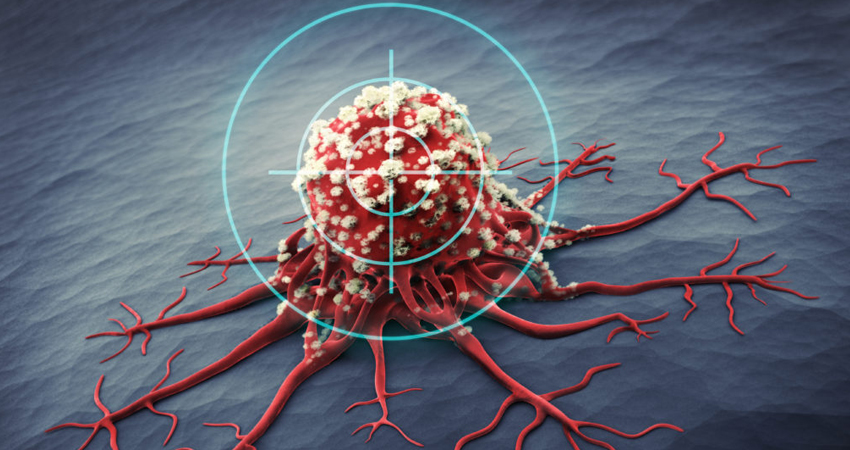
Targeted Therapy
Targeted therapy is a type of cancer treatment that specifically targets and interferes with the molecules involved in the growth and survival of cancer cells. Unlike traditional chemotherapy, which affects both cancerous and healthy rapidly dividing cells, targeted therapy is designed to be more selective, aiming to disrupt specific pathways or molecules that are critical for the growth and survival of cancer cells.
The targets of these therapies can include:
-
Cell Surface Receptors: Many cancer cells have receptors on their surfaces that receive signals promoting growth and division. Targeted therapies may block these receptors to prevent the signals from reaching the cancer cells.
-
Intracellular Signaling Pathways: Inside the cancer cell, there are intricate signaling pathways that regulate cell growth and survival. Targeted therapies can interfere with these pathways to inhibit the uncontrolled growth of cancer cells.
-
Angiogenesis Inhibitors: Some targeted therapies work by inhibiting the formation of new blood vessels (angiogenesis) that supply nutrients to tumors. Cutting off the blood supply can starve the cancer cells and limit their growth.
-
DNA Repair Proteins: Targeted therapies may also interfere with the ability of cancer cells to repair damaged DNA, making them more susceptible to the effects of other treatments like radiation.
-
Immune System Modulation: Certain targeted therapies are designed to enhance the body's immune system, helping it recognize and attack cancer cells more effectively.
The specific targeted therapy used depends on the type of cancer and the molecular characteristics of the individual's tumor. Molecular profiling or genetic testing of the tumor is often done to identify specific targets that can be exploited by targeted therapies.
Targeted therapy is often used in combination with other cancer treatments, such as surgery, chemotherapy, or radiation therapy, to provide a comprehensive and individualized approach to cancer care. Advances in understanding the molecular basis of cancer have led to the development of many targeted therapies, contributing to more effective and less toxic treatments for certain types of cancer.

.png)
