
Onco Rehabilitation
Onco rehabilitation, or oncology rehabilitation, is a specialized area of rehabilitation medicine that focuses on helping individuals affected by cancer to regain or improve physical, functional, and emotional well-being. The goal of onco rehabilitation is to enhance the quality of life for cancer survivors by addressing the various physical and psychosocial challenges that may arise during and after cancer treatment.
Key components of onco rehabilitation include:
-
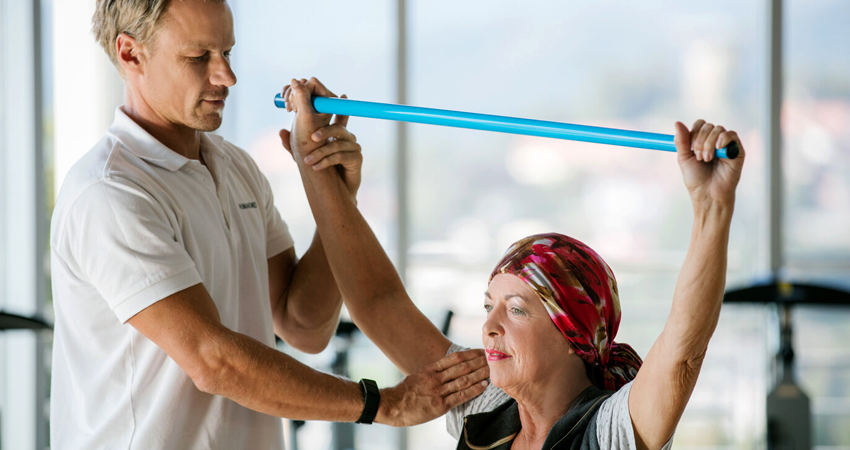
Physical Therapy: Physical therapists work with cancer patients to address issues related to mobility, strength, balance, and flexibility. This may involve exercises and interventions to improve muscle function, reduce pain, and enhance overall physical functioning. Physical therapy can be beneficial for individuals recovering from surgery, managing treatment-related side effects, or addressing physical limitations caused by the cancer itself.
-
Occupational Therapy: Occupational therapists focus on helping cancer survivors regain or develop skills necessary for daily activities, including self-care, work, and leisure. They may provide assistance in adapting to changes in physical function and recommend strategies or adaptive equipment to facilitate independence.
-
Speech and Swallowing Therapy: For individuals undergoing head and neck cancer treatment, speech and swallowing therapists help address difficulties with speech, voice, and swallowing. These therapists can provide exercises and techniques to improve these functions and enhance overall communication and nutritional intake.
-
Lymphedema Management: Some cancer treatments, such as surgery or radiation, can lead to lymphedema—a condition characterized by swelling, usually in the arms or legs. Onco rehabilitation may involve specialized techniques to manage and reduce lymphedema, such as manual lymphatic drainage and compression therapy.
-
Psychosocial Support: Onco rehabilitation recognizes the emotional and psychological impact of cancer and its treatment. Psychosocial support, including counseling and support groups, may be incorporated into onco rehabilitation programs to address mental health challenges, coping strategies, and overall well-being.
-
Fatigue Management: Cancer-related fatigue is a common and often debilitating side effect of cancer treatment. Onco rehabilitation programs may include strategies to manage fatigue, such as energy conservation techniques, graded exercise programs, and lifestyle modifications.
-
Exercise and Fitness Programs: Onco rehabilitation often incorporates tailored exercise programs to improve cardiovascular fitness, strength, and endurance. Regular exercise has been shown to have numerous benefits for cancer survivors, including reducing fatigue, improving mood, and enhancing overall quality of life.
Onco rehabilitation is typically delivered by a multidisciplinary team of healthcare professionals, including physical therapists, occupational therapists, speech therapists, psychologists, and other specialists. The specific components of onco rehabilitation depend on the individual's needs, the type of cancer and treatment received, and any functional limitations or symptoms experienced. The goal is to provide holistic care that addresses both the physical and emotional aspects of recovery from cancer.

.png)
